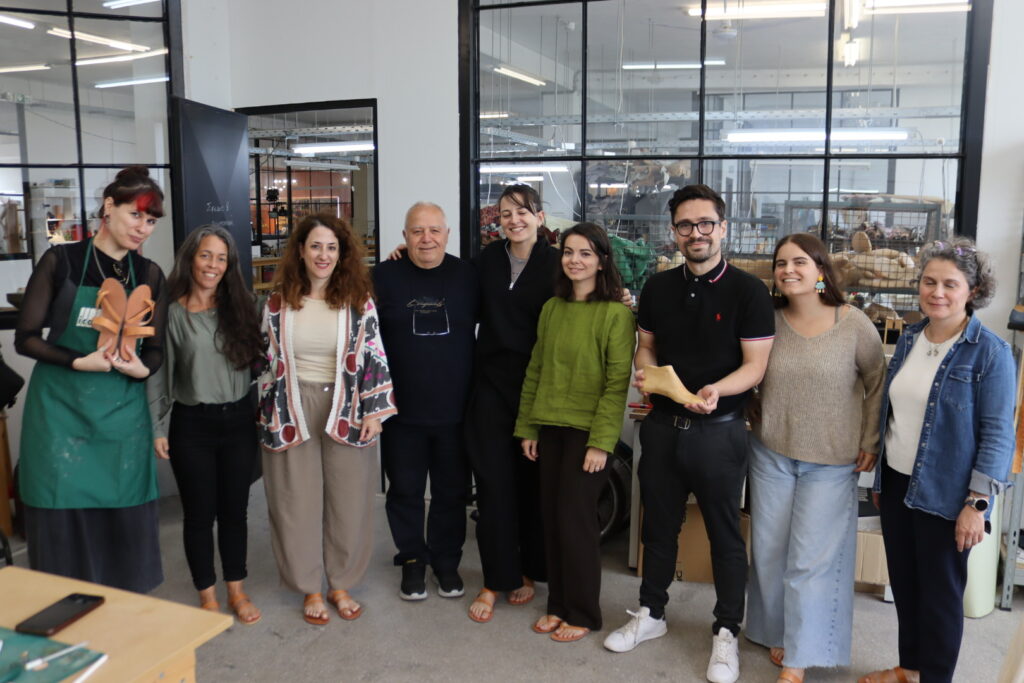
On 14 and 15 October 2026, Athens, Greece, hosted a transnational meeting of the European project CRAFTWISE, an initiative aimed at fostering skills development, collaborative learning and innovation in the crafts sector, while promoting new training and professional development opportunities for young people across Europe.
The meeting brought together project partners to review progress, assess the results achieved so far and coordinate the next stages of implementation. Over the two days, participants discussed key aspects of the C-Skills Study, the development of the Collaborative Apprenticeship Programme (CAP), and the project’s communication and dissemination strategies.
The meeting also provided an opportunity to strengthen cooperation among partner organisations and exchange experiences and good practices related to vocational training, traditional craftsmanship and innovative learning approaches.
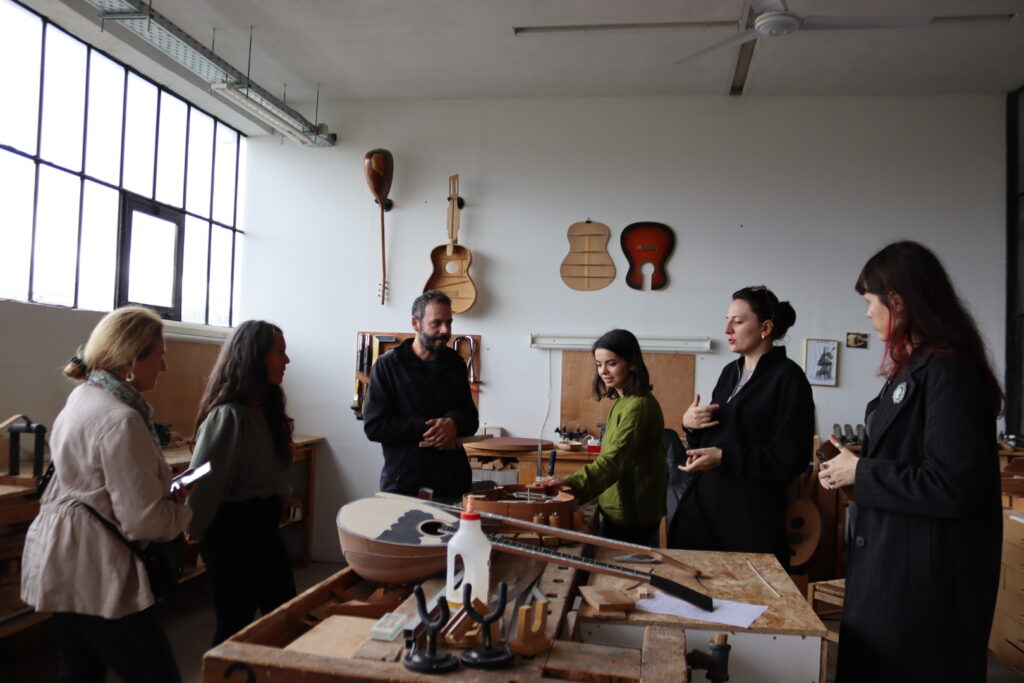
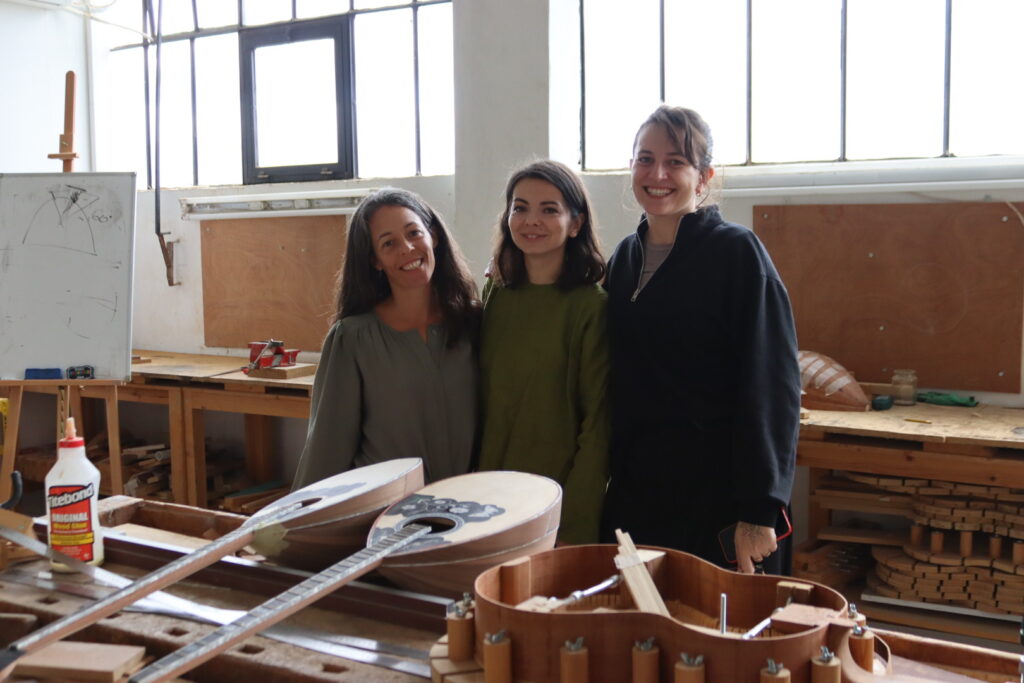
In addition to the working sessions, the programme included visits to craft training centres in Athens, giving partners the opportunity to gain first-hand insights into different practices, methodologies and experiences related to learning traditional crafts.
Project Monitoring and Progress on the C-Skills Study
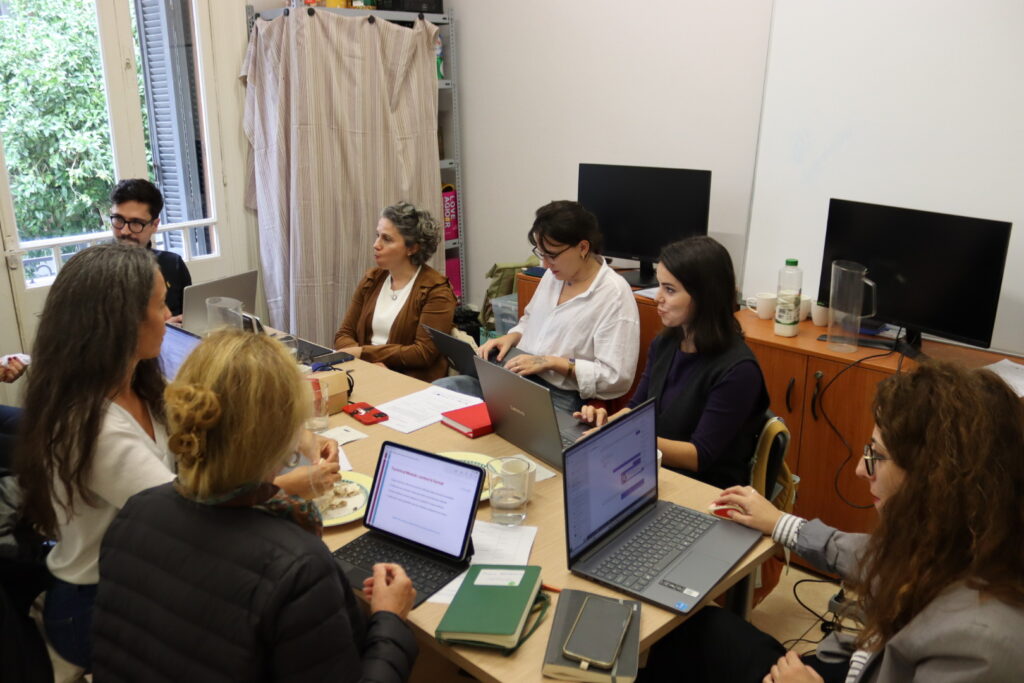
The first day, held on 14 October at ANKAA’s premises, began with a coordination session to review the overall status of the project, the work schedule, the main milestones achieved and the monitoring indicators.
During this session, coordinated by Innovation Education Lab (iEL), partners discussed the findings of the interim report and reviewed upcoming activities to ensure coordinated implementation and the achievement of the project’s objectives.
The meeting then focused on the C-Skills Study, one of CRAFTWISE’s key project outputs, which aims to analyse the skills required in the crafts sector.
PUHU led the session dedicated to reviewing the C-Skills report and discussing its translation and dissemination, both essential for making its content accessible and encouraging its use by organisations, professionals and young people interested in crafts.
This work provides an important foundation for the continued development of training tools and resources that respond to the needs of the sector and help connect traditional craft knowledge with new learning opportunities.
Next Steps for the Collaborative Apprenticeship Programme (CAP)
Another key focus of the meeting was the development of the Collaborative Apprenticeship Programme (CAP), one of the main areas of work within the CRAFTWISE project.
During the session, led by ANCE, the final programme materials were presented and the next steps for implementation were discussed, with particular attention paid to the design of activities and the planned timetable.
The CAP promotes learning methodologies that encourage collaboration, knowledge exchange and the acquisition of practical skills, highlighting the importance of connecting training with real-world experiences in the crafts sector.
The meeting enabled partners to make progress in planning this stage of the project and coordinating the activities required for its implementation.
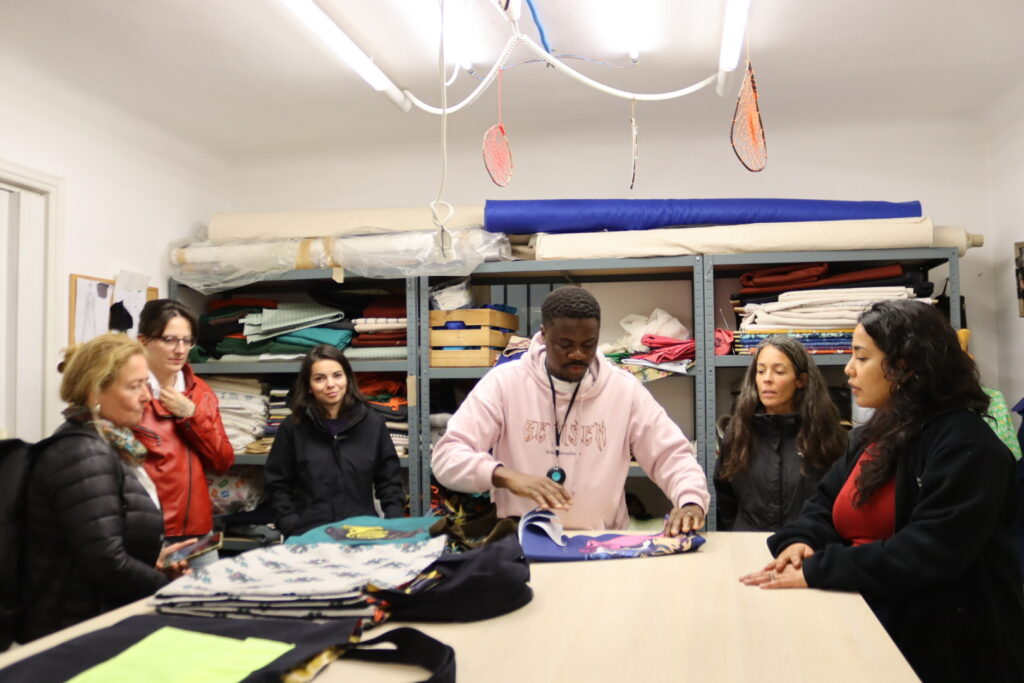
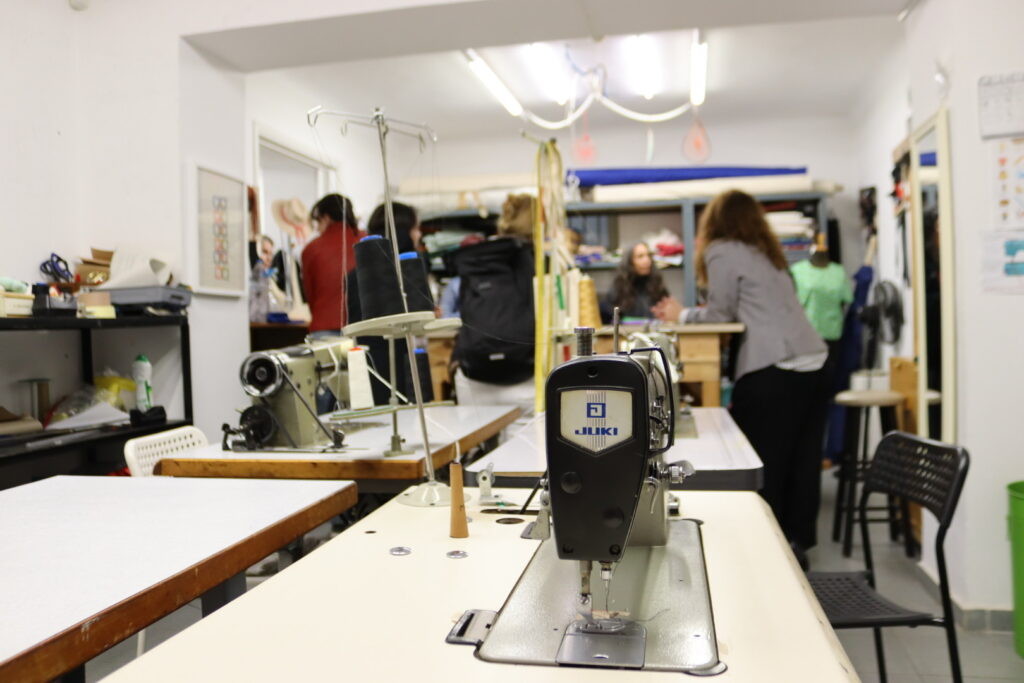
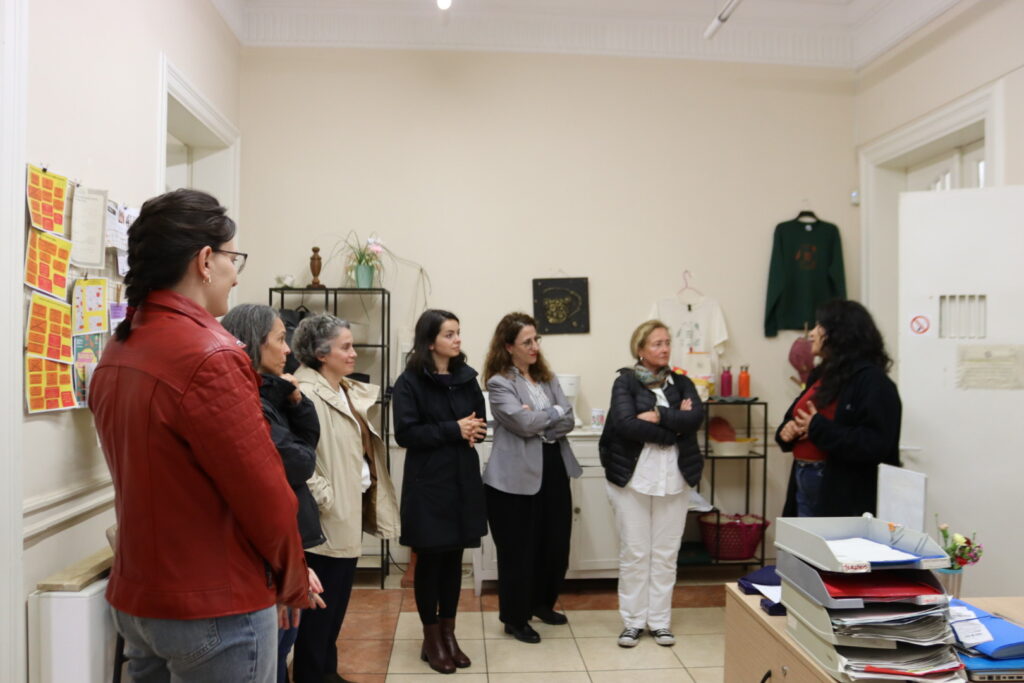
To conclude the day, partners visited the ANKAA Tailoring Lab, a space dedicated to sewing and learning techniques related to the textile sector.
This activity gave participating organisations an opportunity to explore practical craft training experiences and discover different teaching approaches associated with traditional trades.
Hands-on Learning and Traditional Craftsmanship at Askardamykti Craft School
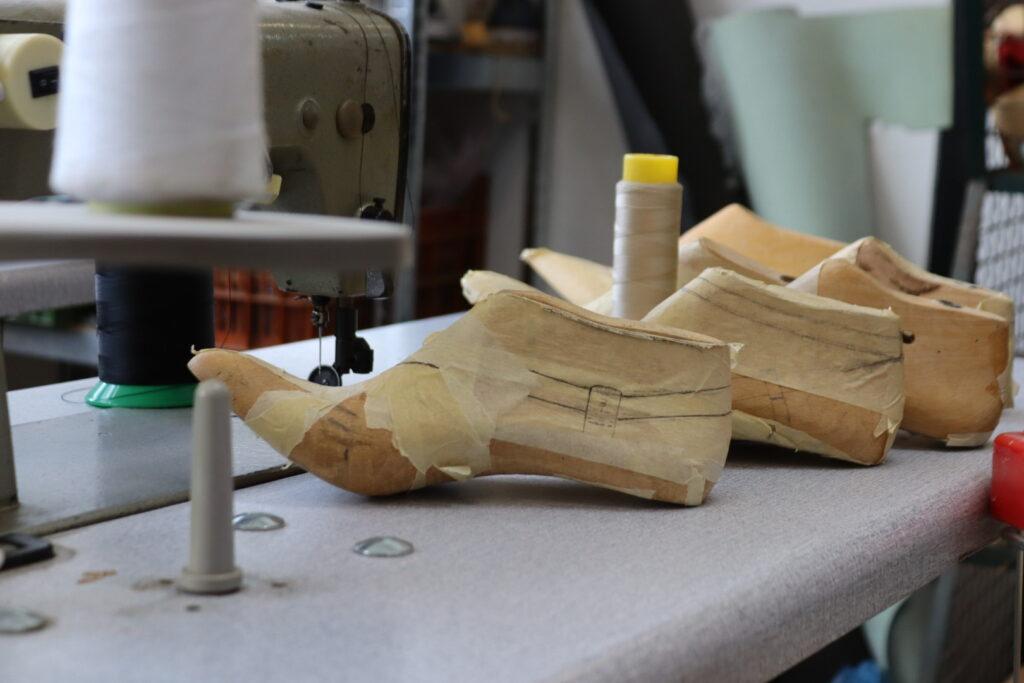
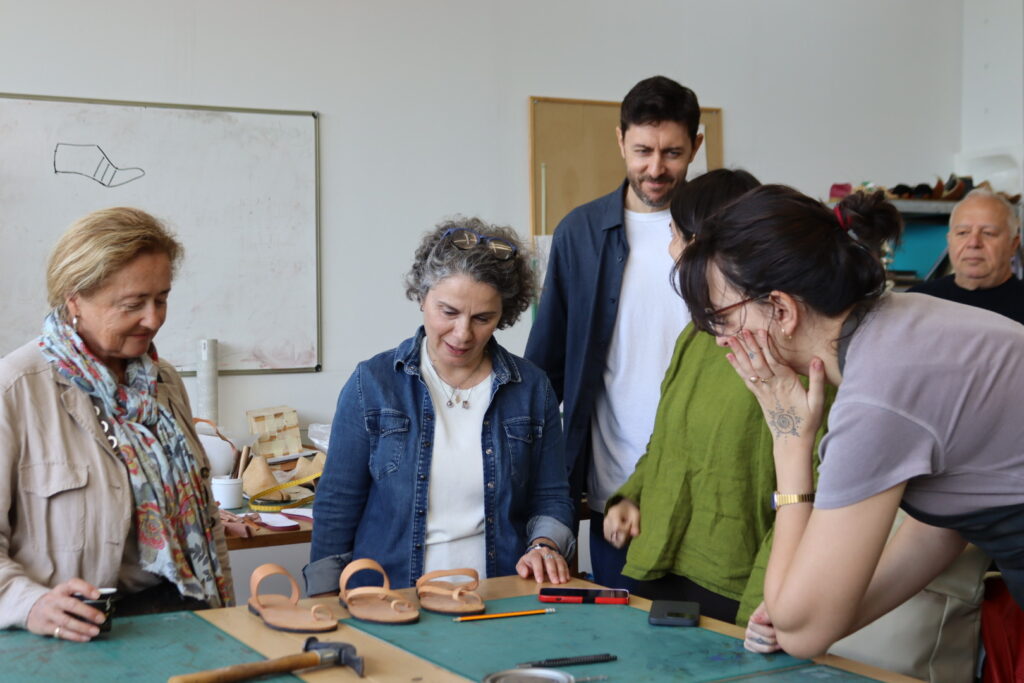
The second day, held on 15 October, focused on exploring a practical craft learning experience through a visit to Askardamykti Craft School, a training centre specialising in traditional crafts.
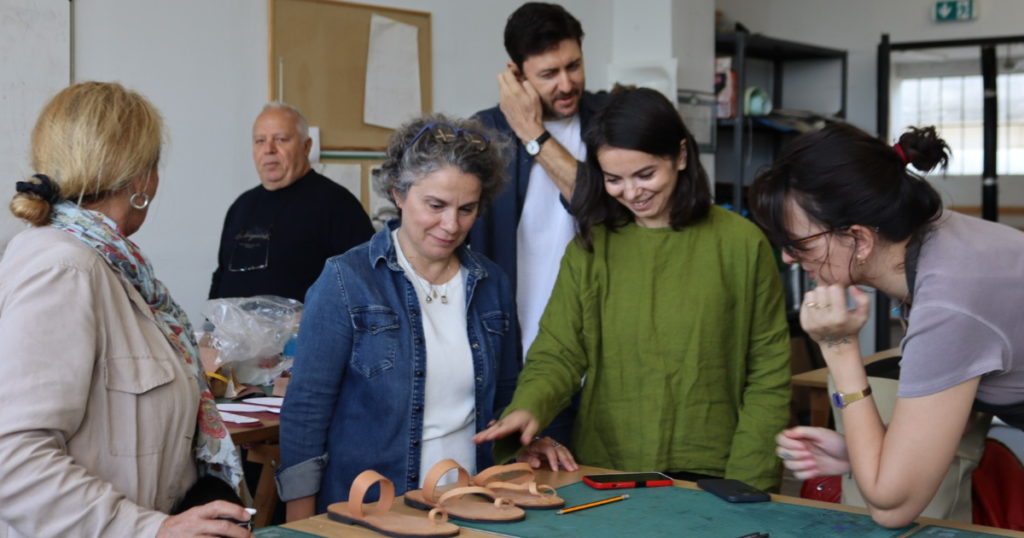
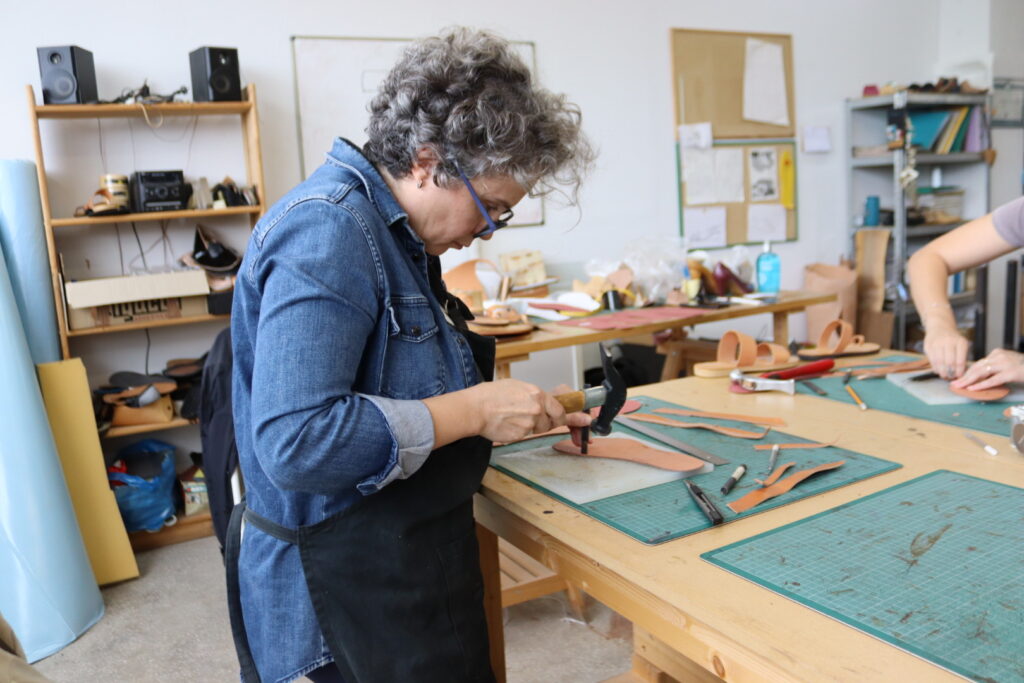
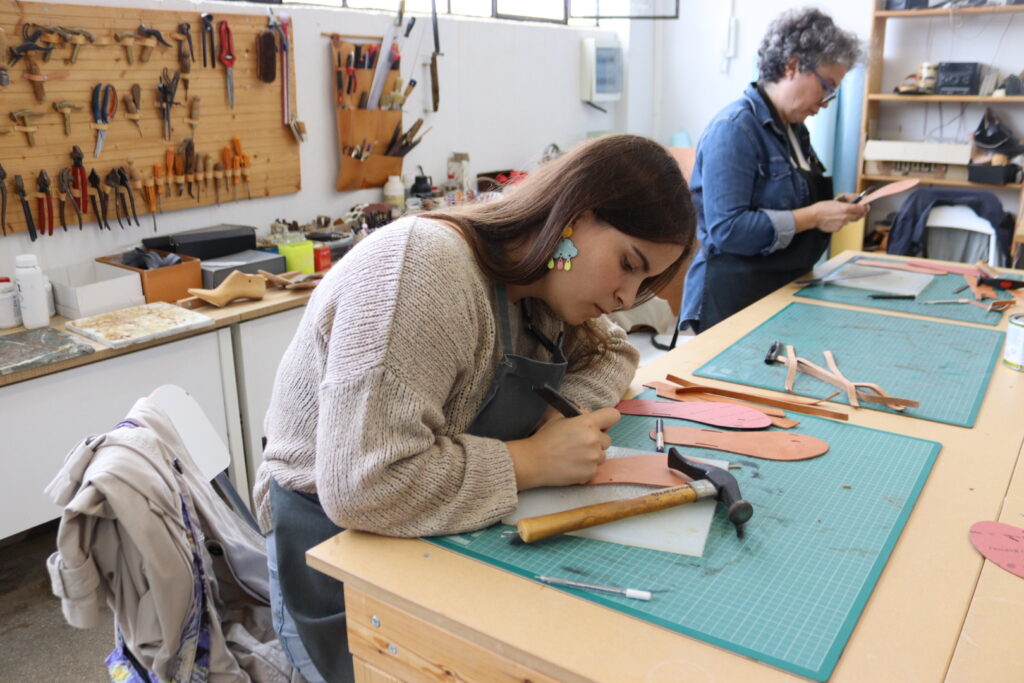
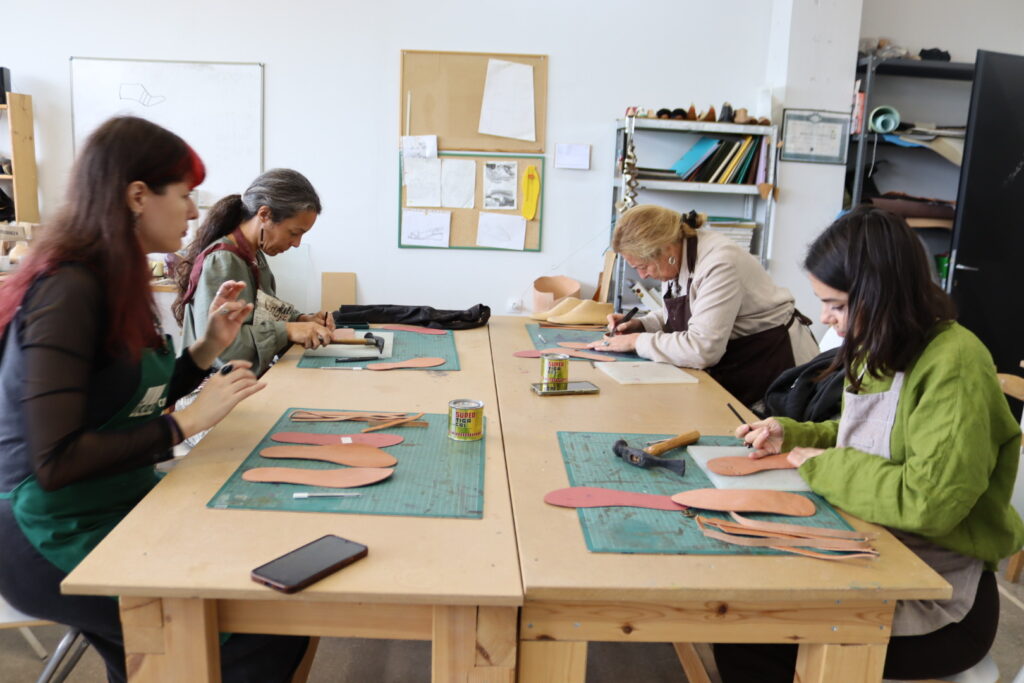
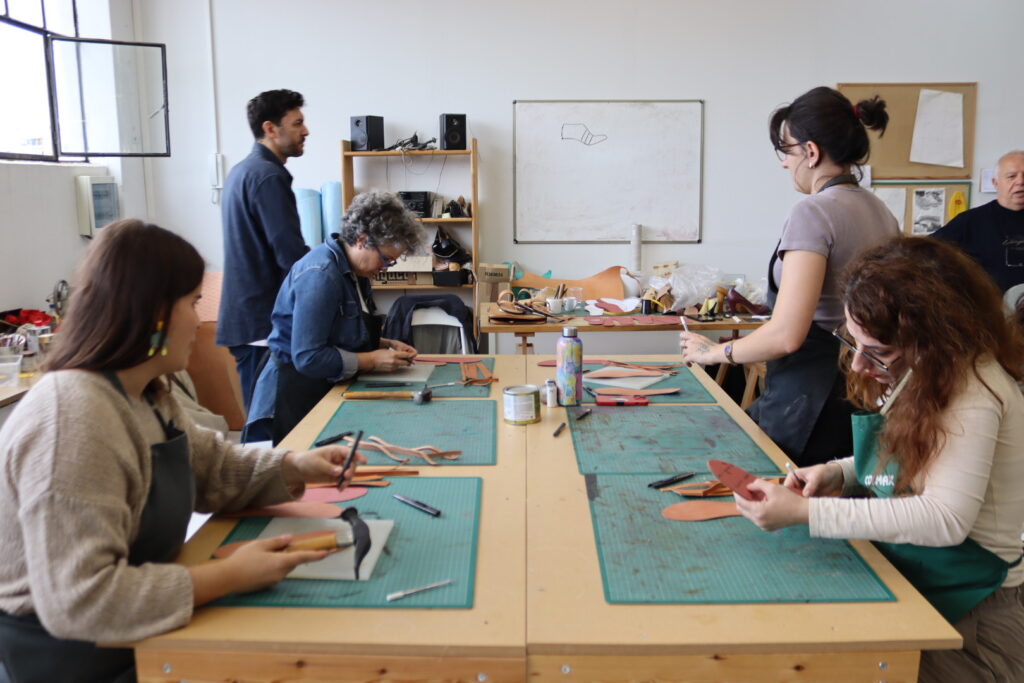
During the visit, partners took part in a hands-on sandal-making workshop, allowing them to experience the craft production process first-hand and explore a learning methodology based on practical experience.
This activity provided an opportunity to reflect on the importance of preserving traditional knowledge and techniques, as well as the role of practical training in passing on skills and creating new professional opportunities.
The experience also highlighted the value of incorporating traditional crafts into educational approaches that combine heritage, creativity and collaborative learning.
CRAFTWISE Continues to Promote Training and Innovation in the Crafts Sector
The transnational meeting in Athens provided another valuable opportunity to strengthen cooperation between the European organisations involved in CRAFTWISE and continue making progress towards achieving the project’s main objectives.
Through the C-Skills Study, the preparation of the Collaborative Apprenticeship Programme and the exchange of experiences with craft training centres, CRAFTWISE continues to promote skills development and provide young people with new learning opportunities linked to traditional crafts.
By combining traditional knowledge with innovative educational approaches, the project aims to contribute to the preservation of European craft heritage while supporting the development of relevant skills, fostering collaboration and creating new opportunities for younger generations.
CRAFTWISE remains committed to strengthening European cooperation, promoting innovative learning experiences and supporting the future of craftsmanship through education, creativity and skills development.