

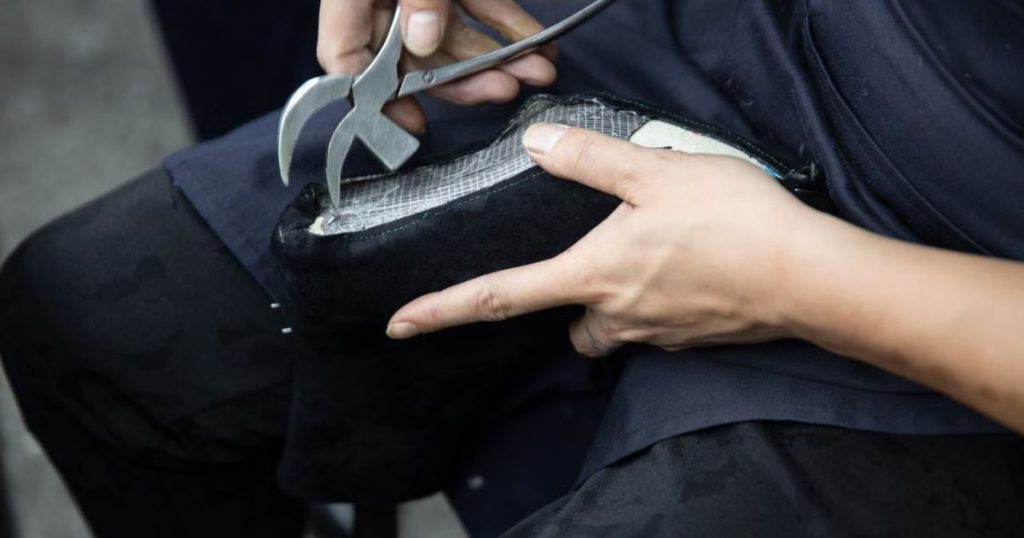
Traditional crafts are much more than techniques passed down through generations. They are living expressions of Europe’s cultural identity, combining creativity, practical knowledge and sustainable ways of working that continue to inspire new generations.
Across Europe, many artisanal professions face the challenge of disappearing as experienced craftspeople retire without successors. At the same time, young people are increasingly searching for meaningful careers that allow them to create, innovate and contribute to their communities.
The CraftWise project was created to bridge these two realities by connecting experienced artisans with aspiring craftspeople through innovative learning approaches, mentorship and entrepreneurship. Throughout the project, several traditional crafts are showcased to demonstrate the diversity, creativity and value of Europe’s artisanal heritage.
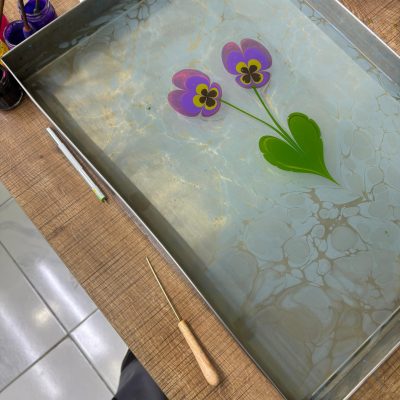
Ebru: the art of painting on water
Originating centuries ago, Ebru, also known as paper marbling, is one of the most fascinating decorative arts. Instead of painting directly onto paper, artists create colourful floating patterns on the surface of specially prepared water before carefully transferring the design onto paper.
Every piece of Ebru is completely unique. The movement of the pigments, the precision of the tools and the creativity of the artisan make it impossible to produce two identical works.
Today, Ebru continues to be used in fine art, book decoration, stationery and contemporary design, demonstrating how an ancient craft can remain relevant in the modern creative economy.
Ceramics: transforming clay into art and function
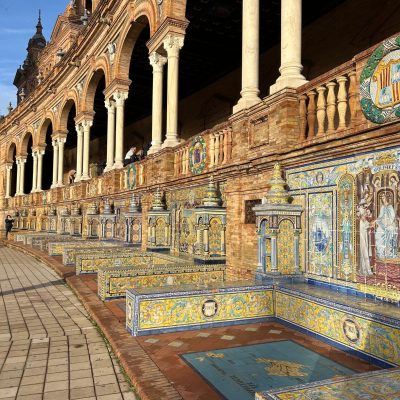
Ceramics is among the oldest forms of craftsmanship, connecting people with natural materials through creativity, patience and technical expertise.
From preparing the clay to shaping, decorating and firing each piece, ceramic artisans combine artistic vision with scientific knowledge. Every stage requires precision, while allowing room for personal expression.
Contemporary ceramic artists often blend traditional production methods with innovative designs, sustainable practices and digital marketing, reaching customers far beyond their local communities.
Traditional lime mortars and masonry repair: preserving Europe's built heritage
Historic buildings tell the story of Europe, but preserving them requires specialised knowledge that cannot be replaced by modern construction techniques alone.
Traditional lime mortars have been used for centuries because they allow historic buildings to breathe, adapt naturally to environmental conditions and remain structurally healthy. Skilled craftspeople understand not only how to prepare these materials but also how to repair traditional masonry while respecting the original architecture.
As Europe invests in heritage conservation and sustainable renovation, these specialised skills are becoming increasingly valuable for protecting cultural monuments and historic urban environments.

Shoemaking: craftsmanship that walks through generations
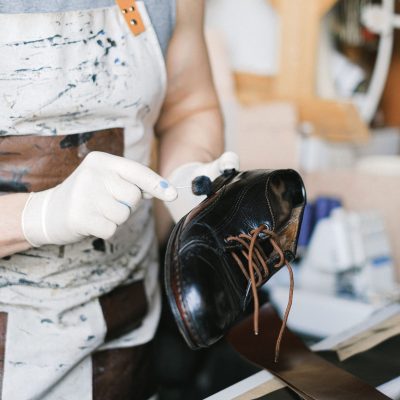
Shoemaking combines engineering, design and manual craftsmanship in a profession that has continuously evolved while maintaining its traditional foundations.
Creating handmade footwear requires accurate measurements, careful material selection, pattern making, cutting, stitching and finishing. Every pair reflects hours of skilled work and attention to detail.
Today, artisan shoemakers respond to growing consumer interest in durable, repairable and personalised products, offering an alternative to mass-produced fashion while supporting more sustainable consumption habits.
Sgraffito: decorating surfaces through layers
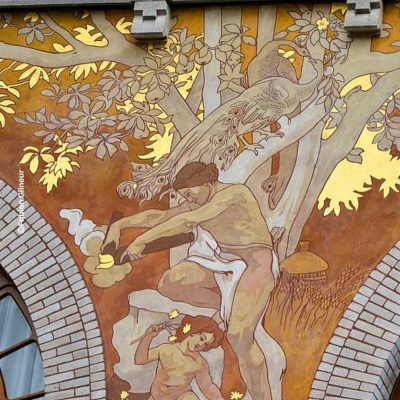
Sgraffito is a decorative technique in which layers of coloured plaster are carefully scratched to reveal contrasting colours underneath, creating intricate patterns, ornaments and artistic compositions.
Used throughout European architecture for centuries, Sgraffito combines artistic creativity with technical mastery. Historic buildings decorated with this technique continue to showcase the remarkable skills of artisans from previous generations.
Learning Sgraffito requires patience, planning and precision, making it an excellent example of how craftsmanship combines both artistic expression and practical expertise.
Bookmaking and bookbinding: giving knowledge a lasting form

For centuries, books have been much more than a source of knowledge—they have been handcrafted objects that combine creativity, technical expertise and collaboration. Traditional bookmaking brings together a wide range of skills, from papermaking and printing to bookbinding and finishing, with each stage contributing to the creation of a durable and meaningful object.
Historically, producing a book was a collective process involving editors, printers, typesetters, papermakers, engravers and bookbinders. Each professional played a vital role in transforming an author’s ideas into a finished work, demonstrating that craftsmanship is often built on collaboration as much as individual skill.
Today, bookmaking continues to evolve through innovation while respecting its artisanal roots. A remarkable example is Paperoko, a contemporary paper engineering technique developed by paper artist Grégoire Vigneron (Tokowo). Instead of relying on glue, thread or other fasteners, Paperoko uses only carefully designed folds and interlocking paper hooks to create self-supporting books and paper structures. This approach combines traditional knowledge of paper with modern design thinking, proving that even one of the oldest crafts can be reinvented through creativity and experimentation.
CraftWise: Connecting heritage with future opportunities
CraftWise believes that preserving traditional crafts means investing in people.
By creating learning opportunities where experienced artisans mentor young participants, the project helps transfer valuable knowledge while encouraging innovation, digital skills and entrepreneurial thinking.
Each craft represents more than a profession, it represents a story, a community and a cultural legacy that deserves to continue evolving.
Whether creating colourful Ebru patterns, shaping ceramics, restoring historic buildings, making handmade shoes, decorating walls through Sgraffito or binding books by hand, artisans contribute to keeping Europe’s cultural heritage alive while building sustainable careers for the future.
The future of craftsmanship depends on sharing knowledge, encouraging creativity and ensuring that these remarkable skills continue to inspire the next generation of European makers.